




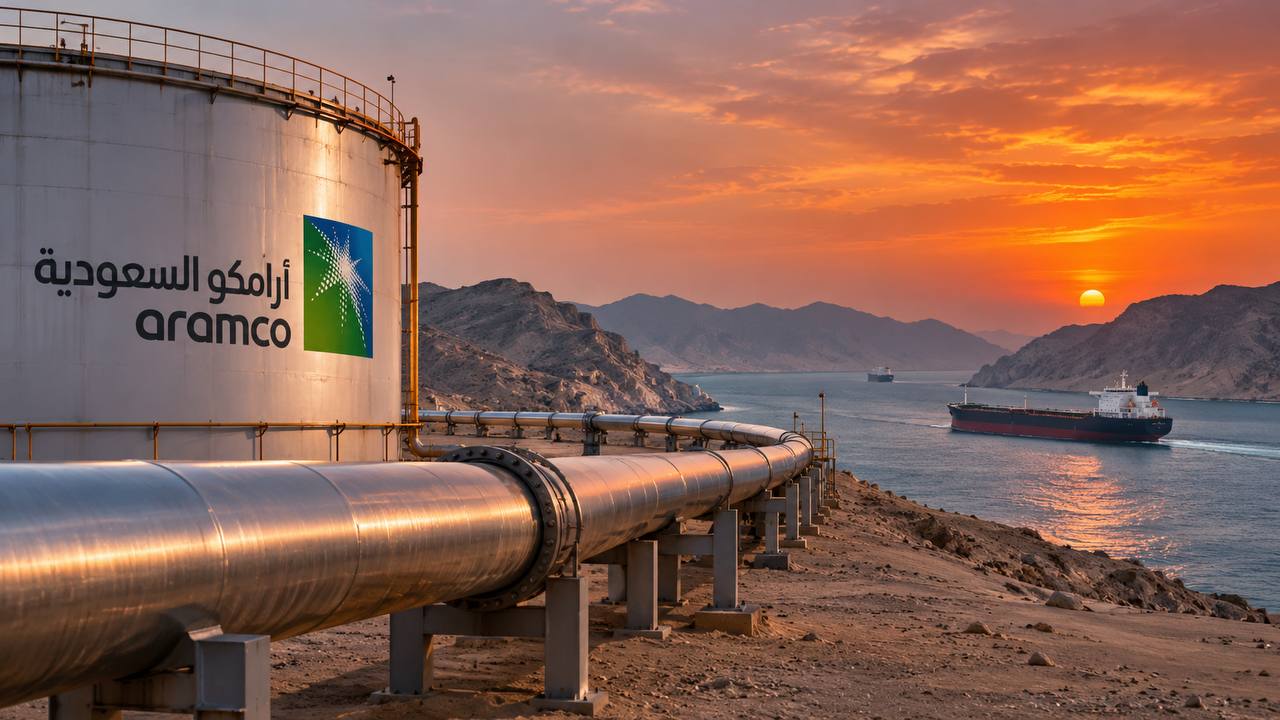

Aramco is exploring the expansion of a crude pipeline to bypass a blockade at the Strait of Hormuz. The effective blockade of the critical waterway, which previously served as a conduit for twenty percent of global oil supplies, has redrawn global energy flows and infrastructure investment priorities across the Gulf region.
Energy markets and infrastructure planners continue to adjust to changing maritime routes and security conditions surrounding key transit lanes. The Strait of Hormuz remains a central focal point for international commerce and petroleum transportation, leaving producers and regional entities to seek alternative pathways for export operations.
Background: The Strait of Hormuz is a vital maritime chokepoint situated between Oman and Iran, connecting the Persian Gulf with the Gulf of Oman and the Arabian Sea. It represents a primary route for the movement of crude oil from major Middle Eastern producers to international markets in Asia, Europe, and North America. Over the decades, various geopolitical tensions, territorial disputes, and military escalations have repeatedly threatened commercial shipping through the narrow passage. Energy infrastructure projects, including alternative overland pipelines designed to bypass the strait entirely, have historically been developed by regional states to mitigate transit vulnerabilities and secure continuous export capabilities during periods of maritime disruption.
Source: The Jerusalem Post