




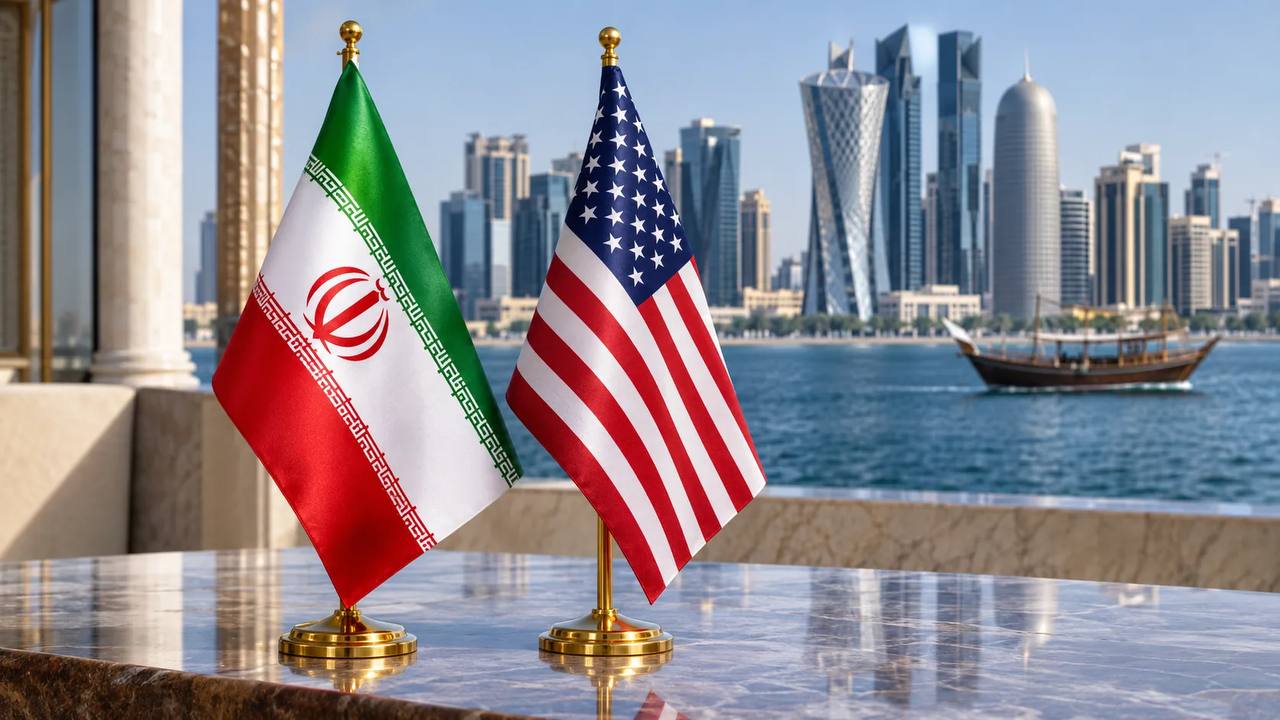

An Iranian delegation is heading to the Qatari capital, Doha, to discuss a potential agreement between Washington and Tehran. The discussions involve proposals to reduce the duration of preliminary talks from sixty days to two days, as part of broader diplomatic efforts to accelerate mutual understanding between the involved parties.
Meanwhile, divisions exist within the United States administration regarding the approach toward Iran. Envoy Steve Witkoff supports diplomatic engagement to reach an agreement and reopen the Strait of Hormuz, whereas Secretary of State Marco Rubio and Treasury Secretary Scott Bessent advocate for intensified economic sanctions and continued blockades against Iran. President Donald Trump faces diverging options between negotiating an end to hostilities or maintaining pressure on Tehran, amid ongoing regional mediation efforts.
Qatari mediation efforts have intensified, with Prime Minister and Foreign Minister Sheikh Mohammed bin Abdulrahman Al Thani holding contacts with United States Vice President JD Vance and Pakistani Army Chief of Staff Field Marshal Aslam Munir to explore resumed talks and technical expert meetings. Qatari authorities denied reports claiming that negotiations had failed, describing those statements as distorted and misleading, and confirmed that Doha continues its coordination with both Washington and Tehran to support ongoing diplomatic processes.
Background: Qatar has frequently served as a diplomatic intermediary between the United States and Iran, hosting indirect talks and facilitating prisoner exchanges as well as financial arrangements. Doha maintains official diplomatic relations with Tehran and close strategic ties with Washington, positioning itself as a central hub for regional de-escalation efforts.
Regional stability and maritime security in the Gulf remain key concerns for international energy markets, particularly regarding the unobstructed flow of oil and gas through vital maritime chokepoints such as the Strait of Hormuz.
Source: Al Hadath